
Greek for Greek-Americans
Kalo Pascha, Kali Anastasi, Christos Anesti: what to say on each day of Greek Easter
Before the midnight Resurrection service, Greeks wish each other «Καλή Ανάσταση» (ka-LEE a-NA-sta-si), “a good Resurrection”, and «Καλό Πάσχα» (ka-LO PA-sha), “happy Easter”. From midnight on, the greeting is «Χριστός Ανέστη» (hri-STOS a-NE-sti), with «Χρόνια πολλά» (HRO-nya po-LA), “many years”. In 2027 Greek Easter falls on 2 May.
This page is a taste of the course: Greek written, spoken and practiced, from the alphabet to real conversation. Start free →
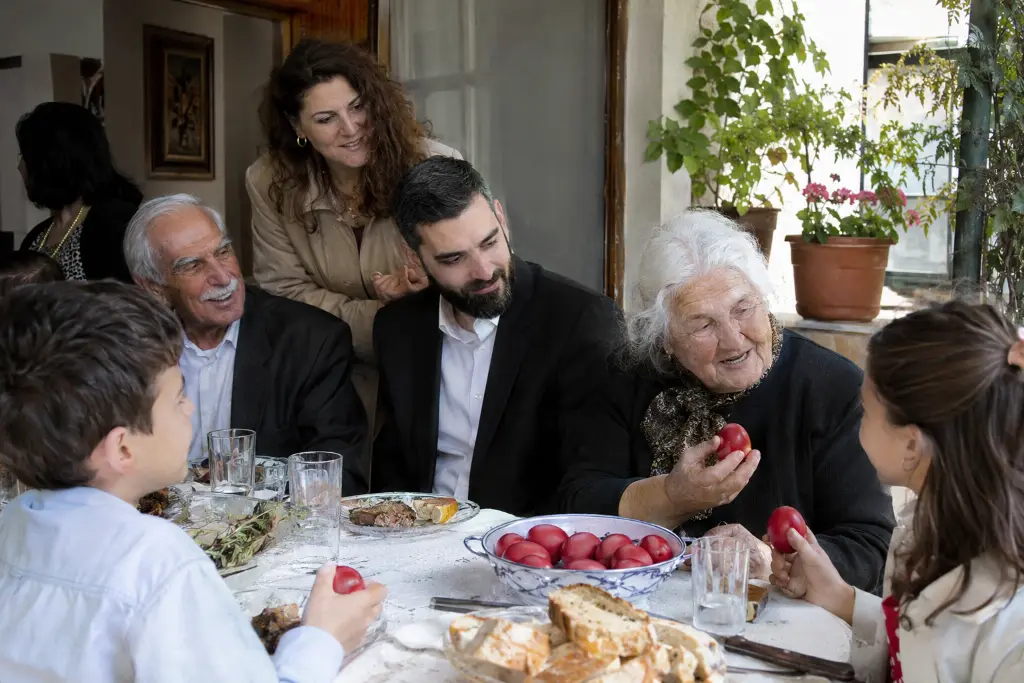
The wishes, in the order you will need them
| In Greek | How it sounds | What it means |
|---|---|---|
| ka-LEE sa-ra-ko-STEE | A good LentOn Clean Monday, the first day of Lent, almost seven weeks before Easter, and in the days after. | |
| ka-LEE me-GA-li ev-tho-MA-tha | A good Holy WeekOn Palm Sunday and in the first days of Holy Week. | |
| ka-LEE a-NA-sta-si | A good ResurrectionThrough Holy Week, and most of all in its last days. It stops at midnight on Saturday. | |
| e-PEE-sis | Likewise, you tooThe usual answer to «Καλή Ανάσταση» and «Καλό Πάσχα». You can also say the wish back. | |
| ka-LO PA-sha | Happy EasterIn the days before Easter, and when you part from someone before the holiday. | |
| hri-STOS a-NE-sti | Christ is risenFrom the midnight service on. The answer is «Αληθώς Ανέστη» (a-li-THOS a-NE-sti). | |
| HRO-nya po-LA | Many yearsFrom midnight on, on Easter Sunday and in the days after. The answer is the same words. | |
| i me-GA-li pa-ra-ske-VEE | Holy FridayThe day of the Epitaphios. In Greek the week’s days are “Great”: Great Thursday, Great Friday. | |
| to me-GA-lo SA-va-to | Holy SaturdayThe day that ends with the midnight service. | |
| i ki-ri-a-KEE too PA-sha | Easter SundayThe day of the lamb and the long table. Easter is also called «η Λαμπρή» (i lam-BREE), “the bright one”. |
From the course
Try it the way the course teaches it
Question 1 of 4. What does it mean?
Καλή Σαρακοστή
Learn the Greek your family speaks, properly
CHF 129 for all six levels, paid once. No subscription. A free starter course at every level.
One click, no password to create · the free course starts at once
Before Easter: Lent and Holy Week
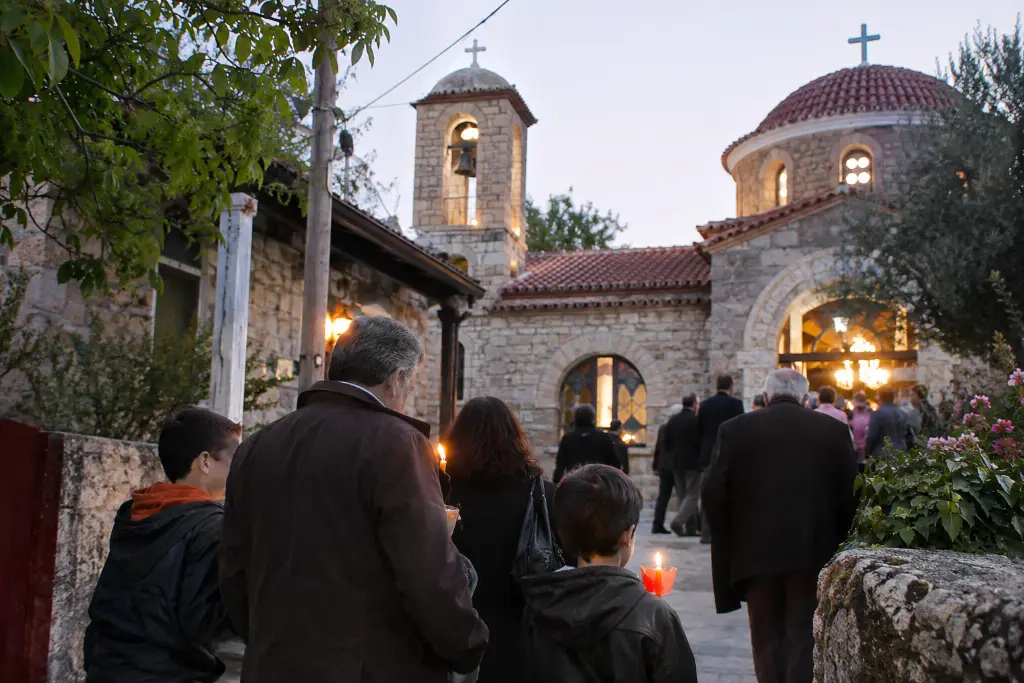
The wishes follow the calendar. Each one looks ahead to the next moment, and each one is dropped when that moment comes.
- Clean Monday, Καθαρά Δευτέρα (ka-tha-RA thef-TE-ra): Lent begins. People say «Καλή Σαρακοστή», “a good Lent”.
- Palm Sunday, Κυριακή των Βαΐων (ki-ri-a-KEE ton va-EE-on): Holy Week begins, and with it «Καλή Μεγάλη Εβδομάδα», “a good Holy Week”.
- Holy Thursday, Μεγάλη Πέμπτη (me-GA-li PEM-pti): the eggs are dyed red at home.
- Holy Friday, Μεγάλη Παρασκευή: a quiet, solemn day. In the evening the Επιτάφιος (e-pi-TA-fi-os), the flower-covered bier, is carried in procession.
Through the week, and more and more as Easter comes near, the wish you hear is «Καλή Ανάσταση», and alongside it «Καλό Πάσχα». The answer to both is «Επίσης», “you too”.
Holy Saturday: the switch at midnight
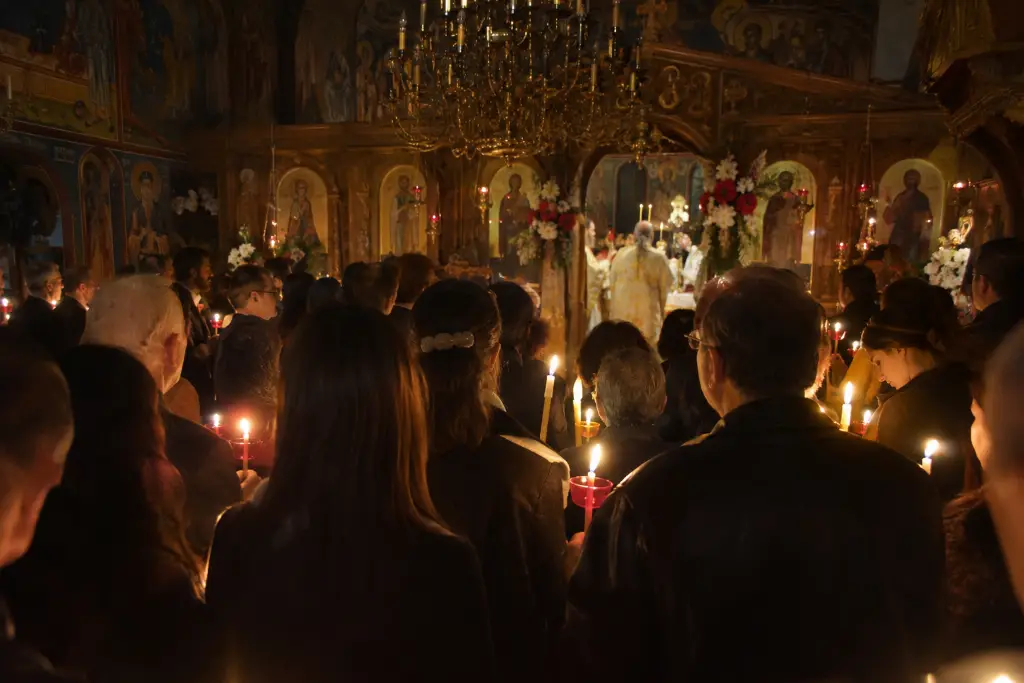
On Μεγάλο Σάββατο the wish is still «Καλή Ανάσταση», all day and on the way to church. It means “may you have a good Resurrection”: the service is still ahead.
Children carry a tall Easter candle, η λαμπάδα (i lam-BA-tha), often a gift from the godparent, and light it from the candle passed around the church.
At midnight the greeting changes. From that moment you no longer say «Καλή Ανάσταση»: you say «Χριστός Ανέστη», and then «Χρόνια πολλά». What the greeting means and how to answer it has its own page, on how to respond to Christos Anesti.
Easter Sunday and the days after
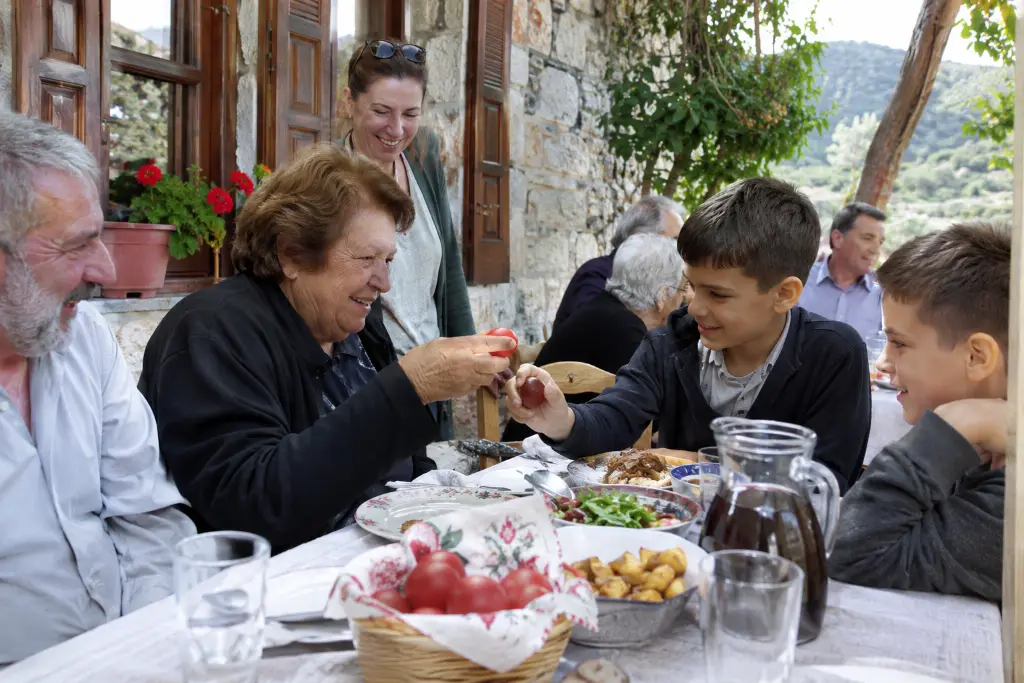
- Easter Sunday: the greeting at the door is «Χριστός Ανέστη», and the wish around the table is «Χρόνια πολλά». The red eggs are cracked against each other.
- Easter week: «Χριστός Ανέστη» and «Χρόνια πολλά» are still everywhere, on the phone, at work, in the shops.
- The forty days: «Χριστός Ανέστη» remains the Easter greeting until the eve of the Ascension.
«Καλό Πάσχα» is heard most in the days before. Once Easter has come, the usual wish is «Χρόνια πολλά».
A phone call on Holy Saturday afternoon
- Youka-LEE a-NA-sta-si, THEE-a!A good Resurrection, Aunt!
- Aunte-PEE-sis, pe-THEE moo! ka-LO PA-sha.You too, my child! Happy Easter.
- Youtha se PA-ro AV-ri-o na soo po hri-STOS a-NE-sti.I’ll call you tomorrow to say Christ is risen.
- Auntna EE-se ka-LA. HRO-nya po-LA se O-loos.Be well. Many years to all of you.
Questions people ask
What do you say on Greek Easter?
Before the midnight service: «Καλή Ανάσταση» (ka-LEE a-NA-sta-si) and «Καλό Πάσχα» (ka-LO PA-sha). From midnight on: «Χριστός Ανέστη» (hri-STOS a-NE-sti), answered with «Αληθώς Ανέστη», and «Χρόνια πολλά» (HRO-nya po-LA).
What does Kali Anastasi mean?
«Καλή Ανάσταση» means “a good Resurrection”. It wishes you a good Resurrection service and a good Easter night ahead. The answer is «Επίσης», “you too”.
When do you say Kali Anastasi?
During Holy Week, and most of all in its last days, up to the midnight Resurrection service. After midnight you say «Χριστός Ανέστη» instead.
What does Kalo Pascha mean, and when do you say it?
«Καλό Πάσχα» means “happy Easter”, also written Kalo Pasha or Kalo Pasxa. It is heard most in the days before Easter. Once Easter has come, people more often say «Χρόνια πολλά».
What do you say before Greek Easter?
«Καλή Σαρακοστή» at the start of Lent, «Καλή Μεγάλη Εβδομάδα» at the start of Holy Week, and «Καλή Ανάσταση» or «Καλό Πάσχα» through Holy Week.
What do you say on Greek Easter Sunday?
«Χριστός Ανέστη» when you arrive, «Αληθώς Ανέστη» when someone says it to you, and «Χρόνια πολλά» around the table.
You can say it. Now learn to read it.
Where are you starting from?
Born abroad, Greek by family: you never have to choose. Start from the Greek you already carry.
- About 1.2 million Americans are of Greek descent. About one in five speaks Greek at home. (US Census Bureau, 2019)
Learn the Greek you grew up hearing: Greek-Americans · Greek-Australians · Greek-Canadians · British Greeks and Cypriots · Deutschgriechen (auf Deutsch) · All Greek Heritage pages